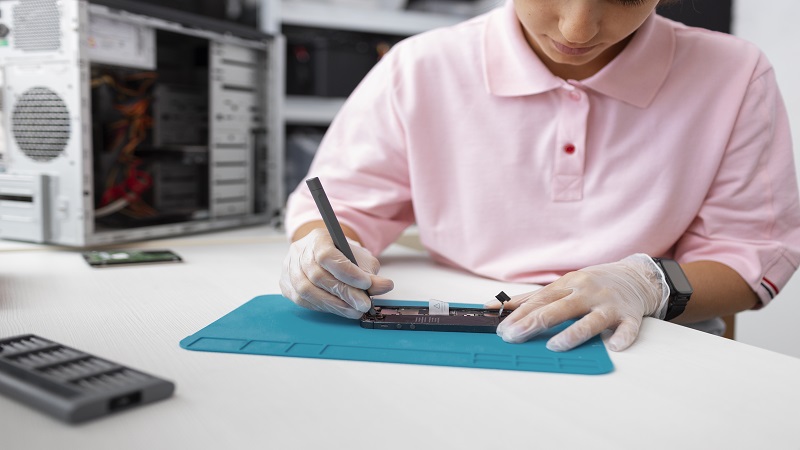
Modern devices and platforms rely on both stable hardware and optimized software to deliver smooth performance. However, even well-designed systems can develop glitches over time. If your Evebiohaztech system shows flickering screens, startup failures, crashes, or driver conflicts, you must approach the issue with a structured troubleshooting method rather than random fixes. A systematic process saves time, protects your data, and prevents unnecessary hardware replacements.
In this detailed guide, you will learn how to fix bug on Evebiohaztech using practical, proven steps. We will cover quick display fixes, embedded controller resets, driver rollbacks, clean installations, RAM compatibility checks, and professional debugging practices. By following this guide carefully, you can restore stability and keep your system running at peak performance.
Understanding Evebiohaztech Bugs Before Fixing Them
Before jumping into solutions, you should first understand what type of bug you are dealing with. Most issues fall into three categories:
1. Hardware-Related Problems
These include:
-
Screen flickering
-
Black screen during boot
-
Random shutdowns
-
Power instability
-
Display distortion
Hardware problems usually appear before the operating system loads. If you notice issues in the BIOS or during startup, the root cause often lies in the device’s components or firmware.
2. Driver or Software Conflicts
These include:
-
Crashes after updates
-
Lagging performance
-
Application freezing
-
Blue screen errors
-
Driver incompatibility
These issues appear only after the OS loads. They usually occur because of corrupted drivers, incompatible updates, or misconfigured system files.
3. Development or Platform Bugs
If you manage or develop the system, bugs may come from:
-
Faulty logic
-
API errors
-
Memory leaks
-
Database conflicts
-
Integration problems
For these cases, you must use debugging tools and logs.
Once you identify the category, troubleshooting becomes easier and faster.
Quick Fixes for Display or Startup Issues
If your system flickers, shows distorted images, or stays black during startup, start with these simple fixes.
Step 1: Check Hardware vs Software Using BIOS
This is the fastest diagnostic method.
How to test:
-
Power on your device
-
Enter BIOS (press F2/Del/Esc during boot)
-
Observe the screen carefully
Results:
-
BIOS looks normal → software or driver issue
-
BIOS shows distortion → hardware or firmware problem
This quick test helps you avoid wasting hours on the wrong solution.
Step 2: Perform an EC Reset
The Embedded Controller (EC) controls power, battery, keyboard, and system sensors. Minor glitches often originate here.
Instructions:
-
Power off completely
-
Unplug charger
-
Remove peripherals
-
Hold the power button for 10–15 seconds
-
Reconnect power
-
Restart device
Why this works:
The EC reset clears cached electrical states and resets low-level hardware logic. Many startup bugs disappear instantly after this step.
Step 3: Perform an RTC Reset
If power or boot problems persist, reset the Real-Time Clock (RTC).
Benefits:
-
Fixes time sync issues
-
Solves deep power bugs
-
Restores firmware defaults
Method:
Check your motherboard manual for the exact procedure. Usually, it involves removing the battery or pressing a reset pin.
This step often resolves stubborn startup failures.
Fixing Driver and Software Bugs
When the system boots but crashes or lags, drivers are usually responsible. You must repair them carefully.
Step 4: Roll Back Graphics Drivers
New updates sometimes introduce instability.
How to roll back:
-
Open Device Manager
-
Expand Display Adapters
-
Right-click GPU
-
Select Properties
-
Click the Driver tab
-
Choose Roll Back Driver
When to use:
-
Flickering after update
-
Game crashes
-
Black screen after login
Rolling back restores the last stable version quickly.
Step 5: Clean Reinstall Drivers
If rollback doesn’t work, perform a full reinstall.
Steps:
-
Uninstall the current driver
-
Restart system
-
Download the latest stable version from the manufacturer
-
Install a fresh copy
-
Restart again
Why a clean install matters:
Old files sometimes remain and cause conflicts. A fresh installation removes corrupted data completely.
Step 6: Check RAM Compatibility
Memory upgrades sometimes trigger bugs.
Symptoms:
-
Random restarts
-
Freezing
-
System instability
-
Boot loops
Solution:
-
Remove the new RAM
-
Test the old configuration
-
Compare stability
If the problem disappears, your new RAM is incompatible.
Always match:
-
Speed
-
Voltage
-
Brand
-
Motherboard specs
System-Wide Stability Improvements
Beyond direct fixes, you should improve overall health.
Step 7: Update BIOS and Firmware
Manufacturers release firmware updates to fix bugs.
Benefits:
-
Improved compatibility
-
Better stability
-
Security patches
Warning:
Update carefully. Follow official instructions only. Never interrupt power during update.
Step 8: Scan for Corrupted Files
Corrupted files cause many unexplained bugs.
Use built-in tools:
-
System File Checker
-
Disk Check
Commands:
chkdsk /f /r
These repair damaged system files automatically.
Step 9: Remove Problematic Apps
Sometimes third-party apps cause crashes.
Do this:
-
Uninstall recent software
-
Disable startup programs
-
Test system
If stability improves, you found the culprit.
Advanced Troubleshooting for Developers or IT Managers
If you manage the platform professionally, follow structured debugging.
Step 10: Reproduce the Bug
Never fix blindly.
Instead:
-
Trigger error consistently
-
Record exact steps
-
Note environment
This isolates the cause.
Step 11: Analyze Logs
Logs show where failures occur.
Check:
-
System logs
-
Application logs
-
Event Viewer
-
API responses
Logs often reveal driver conflicts or failed services immediately.
Step 12: Apply Fix and Regression Testing
After applying a fix:
-
Test again
-
Verify stability
-
Check other features
Never assume one fix solves everything. Regression testing prevents new bugs.
Preventing Future Bugs
Fixing issues is good. Preventing them is better.
Best Practices
Keep drivers stable
Avoid unnecessary updates.
Maintain backups
Create restore points before changes.
Monitor temperatures
Overheating causes instability.
Use reliable hardware
Cheap components increase failure rates.
Install updates gradually
Test before full deployment.
Common Scenarios and Solutions
Scenario 1: Black Screen After Update
Solution: Roll back the graphics driver
Scenario 2: Random Shutdowns
Solution: EC reset + check power supply
Scenario 3: Freezing After RAM Upgrade
Solution: Remove the new RAM
Scenario 4: Startup Loop
Solution: RTC reset + BIOS check
Complete Workflow Summary
Here is the recommended order:
-
Enter BIOS
-
EC reset
-
RTC reset
-
Roll back drivers
-
Clean reinstall drivers
-
Check RAM
-
Scan system files
-
Review logs
-
Test thoroughly
Following this order ensures you don’t miss anything.
Final Thoughts
Learning how to fix bug on evebiohaztech requires patience, logic, and a structured approach. Instead of guessing, always diagnose first. Start with simple resets, then move toward drivers, firmware, and software debugging. This method saves time and prevents deeper issues.
Whether you are a regular user facing flickering screens or a developer managing platform stability, these techniques give you full control. Most bugs look complex at first, but they often have simple causes like driver conflicts or minor firmware glitches.
By applying the steps in this guide consistently, you can confidently handle problems and maintain peak performance. Now you clearly understand how to fix bug on evebiohaztech, and you also know how to prevent similar issues in the future through smart maintenance and systematic troubleshooting. See more