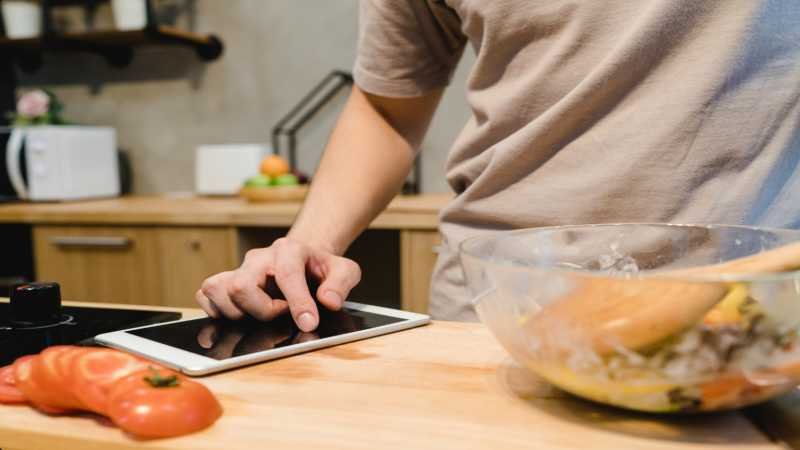
Technology has changed many parts of everyday life, and cooking is no exception. Modern cooks can find recipes online, watch step-by-step videos, use smart kitchen appliances, organize ingredients with mobile applications, and learn new techniques without attending a traditional cooking class.
In the past, people often depended on printed cookbooks, handwritten family recipes, or advice from experienced cooks. Today, digital technology provides access to an enormous amount of culinary information within seconds.
This change has made cooking more accessible for beginners while also giving experienced cooks new tools for experimenting with ingredients and techniques. From smart appliances to online recipe platforms, technology continues to influence how people prepare, share, and enjoy food.
The Rise of Digital Recipes
One of the biggest changes in modern cooking is the move from printed recipes to digital content.
People can now search for recipes using smartphones, tablets, laptops, and smart displays. Instead of searching through an entire cookbook, users can enter the type of dish, ingredients, cooking method, or dietary preference they want.
Digital recipes can also include photographs, videos, preparation times, ingredient substitutions, and step-by-step instructions.
For example, someone who wants to learn how to make homemade bread can find recipes for different skill levels. A beginner can start with a simple recipe, while an experienced baker can explore more advanced techniques.
Technology has therefore made recipe discovery faster and more convenient.
Cooking Videos Make Learning Easier
Video content has become an important learning tool in the kitchen.
Written instructions can explain what to do, but some cooking techniques are easier to understand when someone demonstrates them. Videos can show how to knead dough, shape pastries, chop vegetables, decorate cakes, or control the consistency of a sauce.
Learners can pause, rewind, and replay sections whenever necessary.
This makes video tutorials especially useful for beginners. Instead of trying to imagine what a technique should look like, they can watch the process and then practice it themselves.
Smart Kitchen Appliances
Modern appliances are another way technology is changing cooking.
Many kitchens now include appliances with digital controls, programmable settings, timers, temperature sensors, and automated cooking functions.
Examples include:
- Smart ovens
- Digital air fryers
- Programmable pressure cookers
- Automatic coffee machines
- Smart refrigerators
- Digital food thermometers
- Stand mixers with multiple settings
These tools can simplify certain cooking tasks and make it easier to achieve consistent results.
However, technology does not remove the need to understand basic cooking principles. Knowing how ingredients behave and how cooking temperatures affect food remains valuable.
Digital Kitchen Scales
Accurate measurement is particularly important in baking.
A digital kitchen scale allows cooks to measure ingredients by weight instead of relying entirely on cups and spoons. This can improve consistency because ingredient volume can vary depending on how it is packed or measured.
For example, flour can have different weights depending on how it is placed into a measuring cup. Measuring by weight provides a more precise method for many recipes.
Digital scales are therefore useful tools for both beginners and experienced bakers.
Technology and Recipe Organization
Managing recipes can become difficult when someone collects information from different sources.
Digital recipe applications and note-taking tools can help organize favorite recipes in one location. Users can create categories such as breakfast, desserts, dinner, baking, quick meals, or special occasions.
Some tools also allow users to save recipes from websites or create personal notes.
This organization can make meal planning easier and reduce the time spent searching for a particular recipe.
Online Cooking Communities
Technology has also created large online cooking communities.
People can share recipes, photographs, cooking experiences, and suggestions through websites and social platforms. A home cook can publish a recipe and receive feedback from people in different countries.
These communities encourage experimentation. Someone might discover a new ingredient or cooking method through another person’s experience.
They can also provide solutions to common problems. For example, cooks can discuss why bread did not rise, why a cake collapsed, or how to adjust a recipe for a different oven.
Learning From Food Blogs
Food blogs provide another useful source of culinary information.
Many blogs combine recipes with detailed explanations about ingredients, preparation methods, equipment, and common mistakes. This can make them more helpful than a simple recipe card.
A detailed cooking article may explain not only what to do but also why a particular step matters.
For beginners, this additional context can make the learning process easier.
Digital resources such as Helonium also reflect the broader technology ecosystem where users can discover online information and digital resources.
Artificial Intelligence and Cooking
Artificial intelligence is beginning to influence how people discover and organize recipes.
AI-powered tools can help users generate meal ideas based on ingredients they already have. For example, someone with vegetables, rice, and eggs might ask for meal suggestions using those ingredients.
AI can also help users organize recipe ideas, create shopping lists, or explain unfamiliar cooking terms.
However, users should still apply common sense when following automatically generated suggestions. Cooking involves food safety, ingredient compatibility, allergies, and personal preferences. Human judgment remains important.
Smart Refrigerators and Food Management
Smart refrigerators are another example of connected kitchen technology.
Depending on the model, a smart refrigerator may provide features such as temperature monitoring, digital displays, inventory tools, or connectivity with mobile applications.
These features can help households manage food more efficiently.
For example, keeping track of available ingredients can reduce unnecessary purchases. A household can check what it already has before creating a shopping list.
Technology can therefore support better kitchen organization as well as cooking.
Digital Food Thermometers
Temperature is an important part of cooking and food safety.
Digital food thermometers provide quick temperature readings for foods such as meat, poultry, baked goods, and other dishes where internal temperature matters.
Instead of estimating whether food is ready based only on appearance, cooks can use a thermometer as an additional source of information.
This is a simple example of how technology can improve confidence in the kitchen.
Online Grocery Shopping
Cooking technology extends beyond the kitchen itself.
Online grocery services allow people to search for ingredients, compare products, create shopping lists, and arrange deliveries from digital devices.
This can save time for busy households and make meal planning more structured.
Some people also use digital shopping lists that organize ingredients by category. This approach can make grocery trips more efficient and reduce the chance of forgetting essential ingredients.
Recipe Apps and Personalized Meal Planning
Recipe applications can help users plan meals around their preferences.
Depending on the application, users may be able to filter recipes by cooking time, ingredients, cuisine, dietary preferences, or difficulty level.
For a busy household, the ability to find quick recipes can be particularly useful. Someone with more time may choose a recipe that involves several preparation stages.
Personalization allows people to adapt digital recipe discovery to their own routines.
Social Media and Food Inspiration
Social media has become a major source of food inspiration.
Short cooking videos, recipe photographs, baking tutorials, and kitchen tips can introduce people to dishes they may never have encountered otherwise.
Visual content can also motivate people to experiment. A simple demonstration may inspire someone to try homemade pizza, decorated cookies, fresh bread, or a new dessert.
However, not every online recipe is equally reliable. Users should consider the source, instructions, ingredient quantities, and cooking methods before following unfamiliar advice.
Technology for Baking
Baking is an area where technology can provide particularly useful support.
Accurate scales, electric mixers, temperature-controlled ovens, digital thermometers, timers, and recipe applications can all contribute to a more consistent process.
Bakers can also use online tutorials to learn techniques such as:
- Bread shaping
- Cake decorating
- Cookie preparation
- Pastry handling
- Frosting techniques
- Chocolate work
- Dough preparation
These resources allow learners to practice skills at their own pace.
Traditional Cooking and Modern Technology
Technology does not have to replace traditional cooking.
Many of the most valuable recipes are passed through families and communities. Digital tools can actually help preserve these traditions.
A handwritten family recipe can be photographed or typed into a digital document. Family members can then share it with relatives living in different locations.
In this way, technology can help preserve culinary memories while making them easier to access.
Comparing Traditional and Digital Cooking Methods
| Cooking Activity | Traditional Approach | Modern Technology |
|---|---|---|
| Finding recipes | Cookbooks and family notes | Websites and recipe apps |
| Learning techniques | In-person instruction | Online videos |
| Measuring ingredients | Cups and spoons | Digital scales |
| Checking temperature | Visual estimation | Digital thermometers |
| Shopping | Physical lists | Mobile shopping lists |
| Meal planning | Written schedules | Digital planning tools |
| Recipe storage | Recipe boxes | Cloud notes and applications |
| Cooking control | Manual monitoring | Programmable appliances |
Both approaches can work effectively. The right choice depends on the cook, recipe, available equipment, and personal preferences.
The Importance of Food Safety
While technology can make cooking easier, food safety remains essential.
Digital tools can provide useful reminders and temperature information, but cooks should still follow safe food-handling practices.
Important habits include washing hands, keeping raw and cooked foods separate, storing ingredients appropriately, and using suitable cooking temperatures.
Technology should support good habits rather than replace them.
How Beginners Can Use Technology in the Kitchen
Beginners do not need expensive equipment to benefit from modern cooking technology.
A smartphone, digital timer, basic kitchen scale, and reliable cooking thermometer can already provide useful support.
A simple learning process can include:
Start With Reliable Recipes
Choose recipes that provide clear ingredient quantities and detailed instructions.
Watch Demonstrations
Use video tutorials when a technique is difficult to understand from written instructions alone.
Measure Carefully
Use a digital scale when accurate measurements are important, especially for baking.
Take Notes
Record what worked and what should be changed next time.
Practice Regularly
Technology provides information, but practical experience develops confidence.
The Future of Digital Cooking
The connection between technology and cooking will likely continue to grow.
Smart appliances may become more connected, while recipe applications may become increasingly personalized. AI tools may help users organize meals and ingredients, and immersive technologies could provide new ways to learn culinary techniques.
At the same time, the fundamental principles of cooking will remain important. Fresh ingredients, proper preparation, timing, temperature, creativity, and patience cannot be replaced entirely by technology.
The future kitchen will likely combine traditional skills with digital tools rather than choosing one over the other.
Conclusion
Modern technology has transformed the way people cook and learn recipes. Digital platforms make it easier to discover dishes, online videos demonstrate techniques, smart appliances simplify certain tasks, and connected tools can improve organization and consistency.
These developments have made culinary education more accessible to people with different experience levels. Beginners can learn from home, while experienced cooks can discover new techniques and experiment with unfamiliar ingredients.
Despite these advances, technology works best as a supporting tool. Cooking still depends on creativity, practice, careful preparation, and an understanding of ingredients.
By combining traditional knowledge with useful digital tools, modern cooks can make their kitchen experiences more organized, educational, and enjoyable. See more